Aeolian
In the of summer of 2025, I biked 250 kilometers across the bridge down the Welland Canal to Port Colborne, then west past the Port Maitland lighthouse to port Dover. Most of that lake Erie shore now is made of ports that really ain’t ports anymore. Lock gates, warehouses missing windows, canals docks built for ships supporting industries that have long since moved across the ocean. No one really documented life in these towns a hundred years ago. You piece together the story as you go; a spur of track that ends abruptly in grass, emptied canals and cranes littering empty fields, and after a few hundred kilometers it all blurs together.
Last month, I ran a trail ultra through the Marin Headlands past the old coastal batteries, dozens of concrete pillboxes cemented into limestone cliffs to watch the Pacific for a war that never came. Across the Gate at Fort Funston there is one called Battery Davis. Soldiers sat there in shifts listening for any Japanese reverberations in the water or air. Now there are hang gliders over it and swallows nesting in the sand below and on the drive back into the city every billboard on the 101 is selling AI inference.
I knew the Battery Davis as a name before I had a picture of the place, from a song. ee (yea literally ee) was a San Francisco band from 1999. There really isn’t much of them to find: maybe a few albums, a Bandcamp page, and song titles that read like a map of the west side.Sutro and Battery Davis, from Ramadan (2000). yellow taraval, from For 100 We Try Harder (2002). The original CD of their second album has short silences between the songs they left there on purpose. The streaming version takes them out.
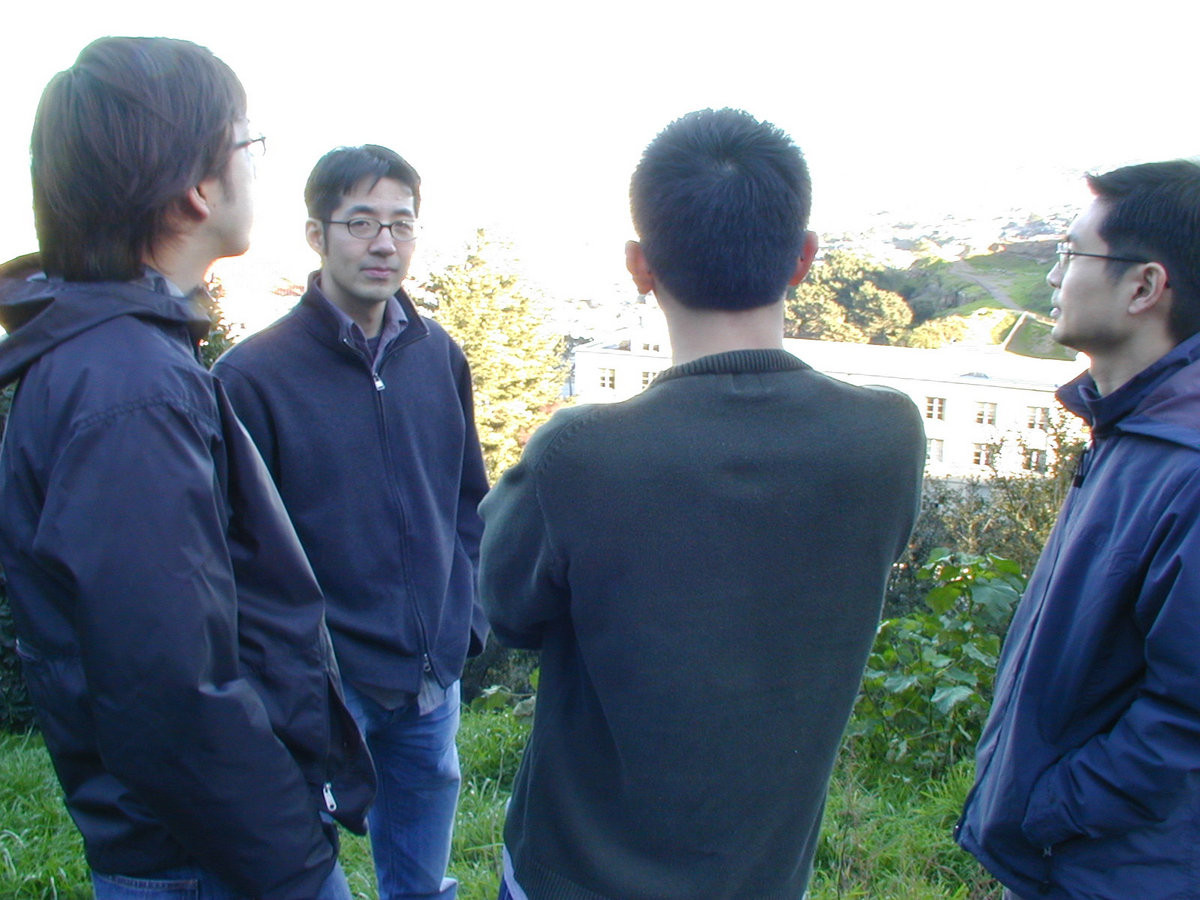
Before ee there was Seam and a guitarist named Sooyoung Park, who later played with them.ee’s bassist, Che Chou, remembered first seeing Park’s name on the liner notes of a CD in the late eighties: “Holy shit! Who’s this Asian with a really hardcore Asian name?” The music didn’t sound like where anyone came from. It was slow and inward and American and sounded more like Rodan or Bedhead than anything asian at the time or now, and you could only tell who was making it from the outside: a name in small print, a crowd of black-haired kids.Tobin Mori, ee’s singer, on Seam shows: “you’d see this sea of black-haired kids in the audience just rocking it.” I don’t know what it was like growing up here; I seem to only have what’s left.
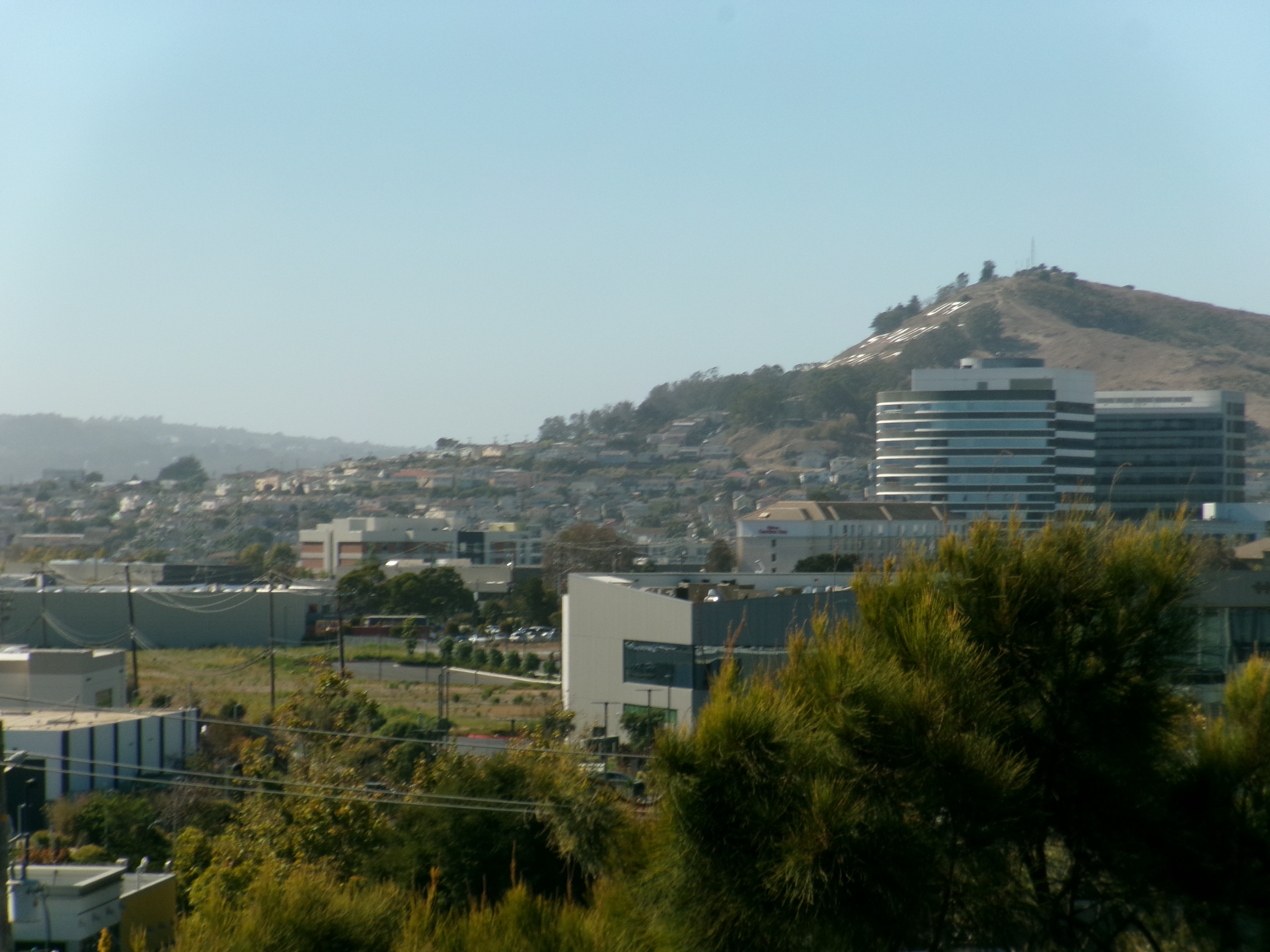
I go looking for the rest the way I did on the Lake Erie coast. Channel 26 broadcasting from San Bruno Mountain, cartoons dubbed in English in the afternoon and the news in Chinese after seven. The fountain at Serramonte in Daly City that shot up to the skylight every half hour, where lost kids were told to wait before anyone had a phone. The L-Taraval running out to the ocean through the fog. KUSF on 90.3, playing records nobody else would until the morning in 2011 when the university walked into the booth and switched it off mid-show.
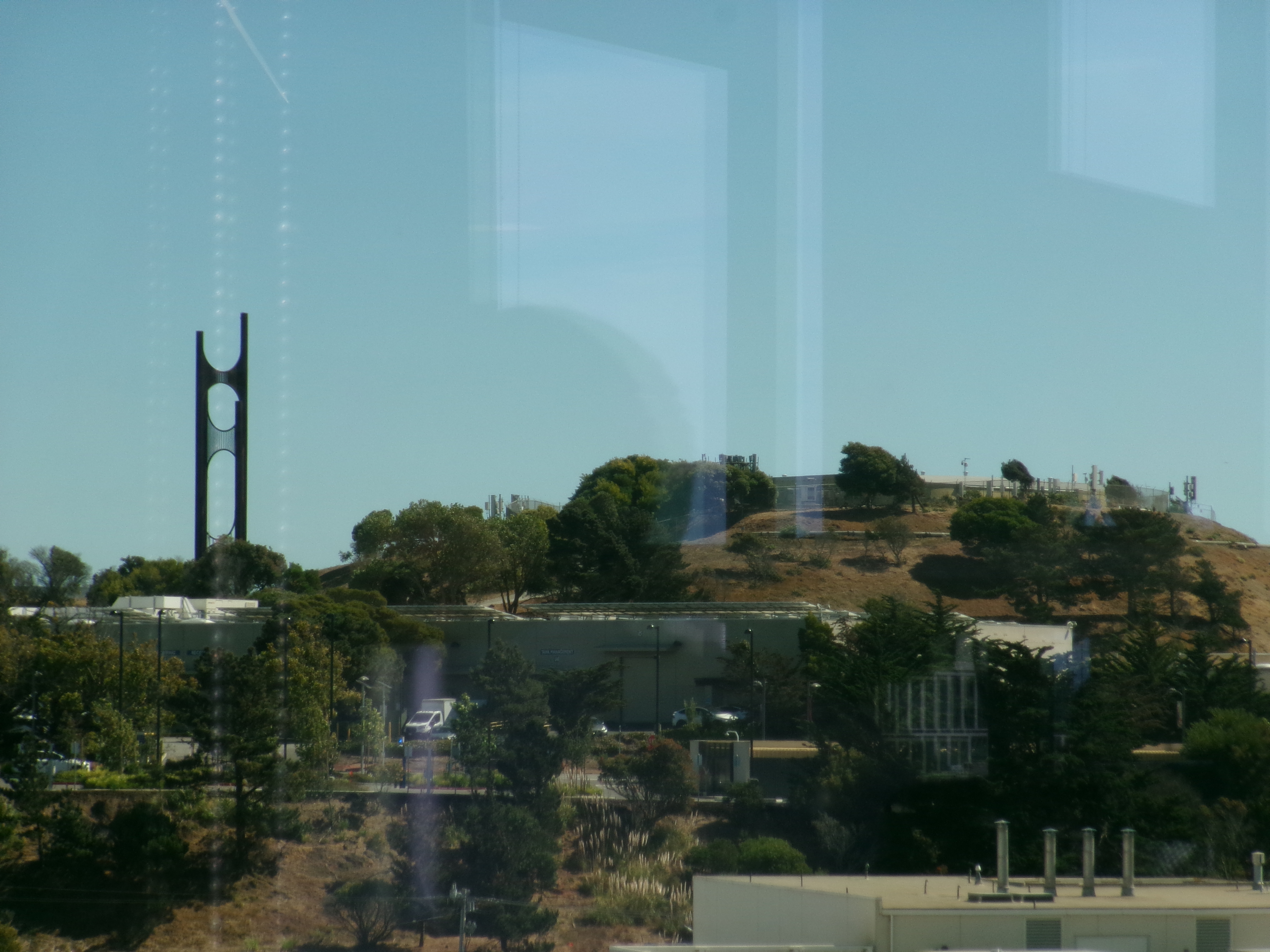
On the hill above the labs where I work in South San Francisco there’s a steel harp, ninety-two feet tall, put up in 1967 and left to rust for thirty years before the city bought it back. Nobody plays it. When the wind comes in off the bay it sings, and it never sounds its own note, only the ones above it.