A Time of Gifts (Patrick Leigh Fermor, 1977)
In 1933, Patrick Leigh Fermor walked from the Hook of Holland to Constantinople. He was eighteen, recently expelled from school, carrying a few pounds and a letter of introduction or two. The journey took over a year. He didn’t write about it until forty years later.
A Time of Gifts covers the first leg: Holland to the middle of Hungary, following the Rhine and then the Danube through the heart of Europe.
The Speed of Knowing
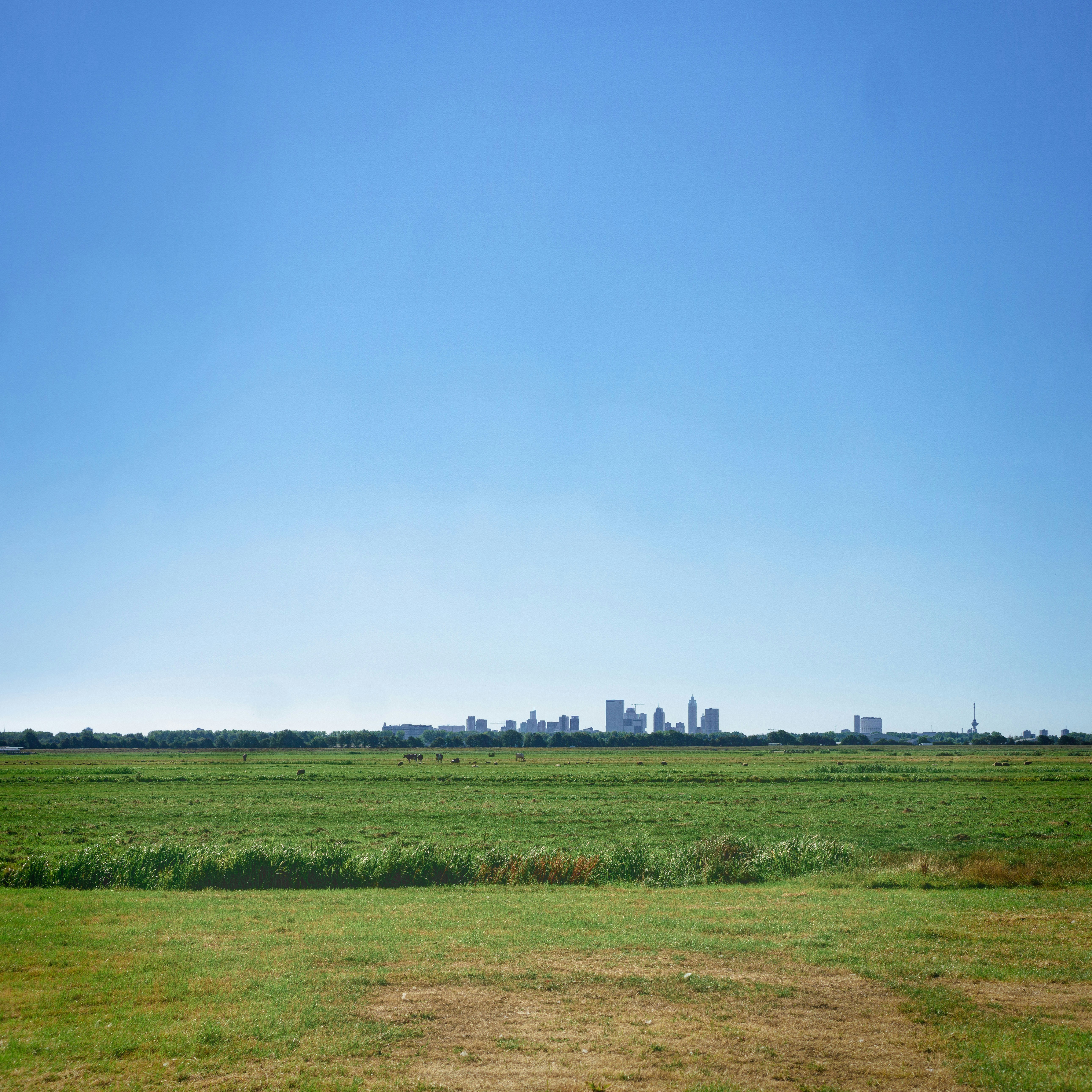
There’s a passage early on where Fermor spends three pages on a single afternoon: the quality of light through winter trees, a conversation with a farmer, the ache in his feet, the way the cold changed as the sun dropped. Nothing happens. He walks fifteen miles and sleeps in a barn.
This is most of the book. And it’s the point.
At three miles an hour, you can’t skip the boring parts. The space between cities isn’t dead time to be eliminated. It’s most of the experience. Weather isn’t an inconvenience; it’s the texture of your day. A twenty-mile stretch becomes a full narrative, not a blank you fast-forward through.
We’ve lost the ability to perceive distance this way. Modern travel abstracts space. You teleport between destinations at 500 mph, and the land beneath you doesn’t exist. Places are “close” if there’s a cheap flight, not because they’re physically connected to each other. The geography between London and Vienna is nothing: a blank, a nap, a movie.
Fermor makes that space real again. Every mile is earned. The gradual shift from Dutch flatlands to German forests to the hills above the Danube: you feel it accumulate, day by day, in his legs and in the prose.
The River as Spine
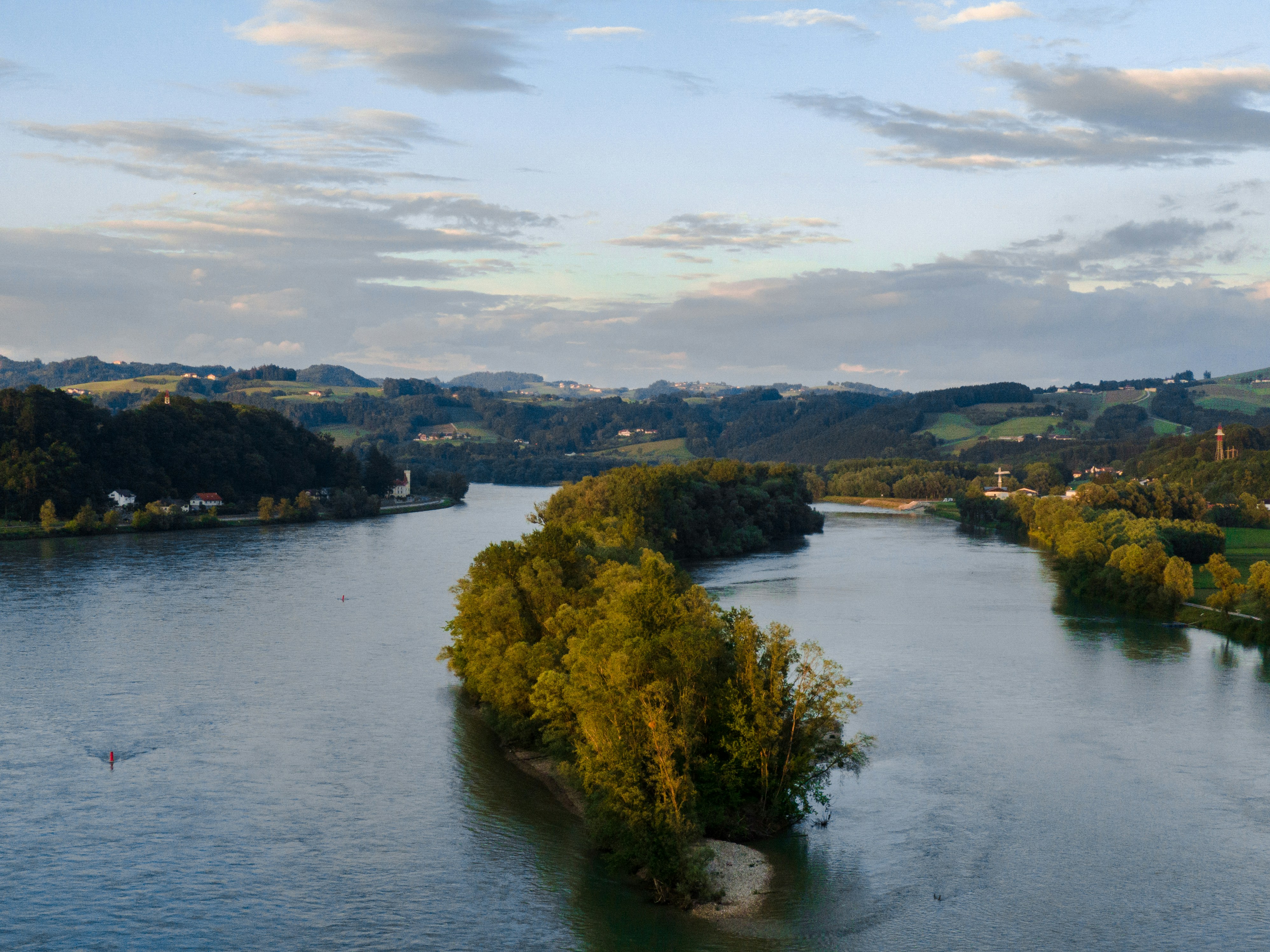
For much of the journey, Fermor follows the Danube.
This matters more than it might seem. Rivers were the original organizing logic of European geography. Before highways and airports, a river told you what was connected to what. Trade, culture, language: they flowed along the water. Vienna, Bratislava, Budapest, Belgrade: these cities are neighbors because the Danube made them neighbors. The river connected the heart of Europe to the Black Sea, the West to the edge of the Ottoman world.
We don’t think this way anymore. We think in terms of nation-states, EU versus non-EU, Schengen versus not. Our mental maps are organized by political boundaries and flight routes. But rivers don’t care about borders. The Danube still flows from Germany to Romania, through ten countries, connecting places that our maps now treat as separate worlds.
Following it on foot made the old geography legible again. Fermor could see what the river had always known: that these places belonged to each other.
The Texture of Terrain
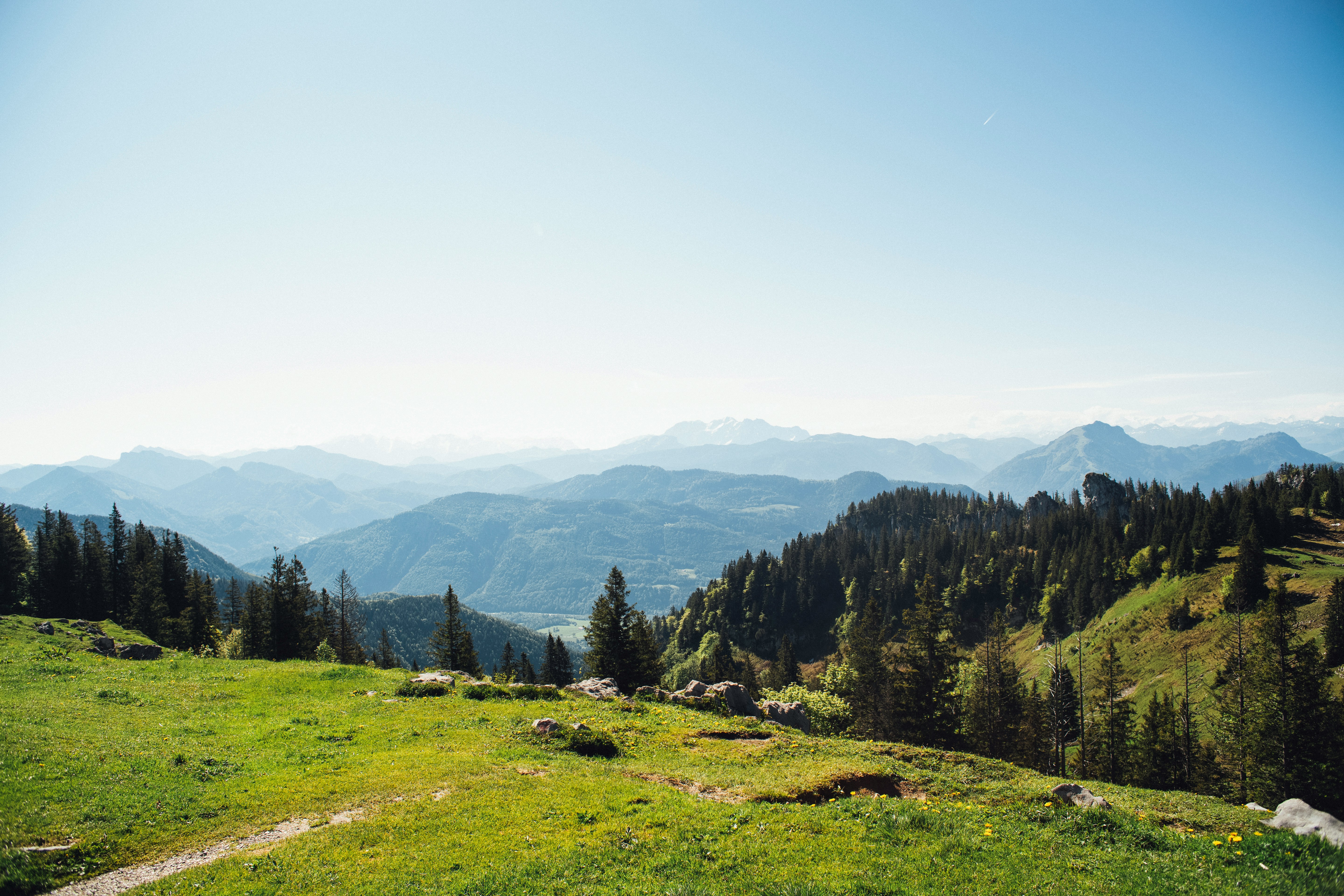
What strikes me most reading the book is how much terrain matters. Not as obstacle or backdrop, but as the primary content of the journey.
Fermor notices when the soil changes. He feels the difference between walking on frozen mud versus packed snow versus wet grass. He describes how valleys funnel wind, how a forest canopy changes the quality of silence, how the shape of hills determines where villages sit. The land isn’t scenery. It’s the thing itself.
This is knowledge you can only get by walking. From a car, terrain is a view. From a plane, it’s abstraction. On foot, it’s the resistance under your boots, the reason you’re tired, the explanation for why the road curves here and not there.
Fermor understood something we’ve forgotten: that geography is physical. It has weight and texture. The map is not the territory, and the territory can only be known by crossing it slowly, on foot, feeling every mile.
Distance as Knowledge
I think about what it would mean to walk somewhere now. Not as a stunt or an endurance challenge, but as a way of knowing. To feel the space between two places instead of skipping it. To understand that geography isn’t a map. It’s the texture of the ground, the way the air changes, the slow accumulation of miles in your body.
Fermor didn’t walk to Constantinople because it was difficult. He walked because he was eighteen and had nothing better to do, and because in 1933 it was still possible to move through the world that way: on foot, with charm and letters of introduction, sleeping in barns and castles.
The book remains: a record of what it felt like to know a place by walking through it, mile by mile.